
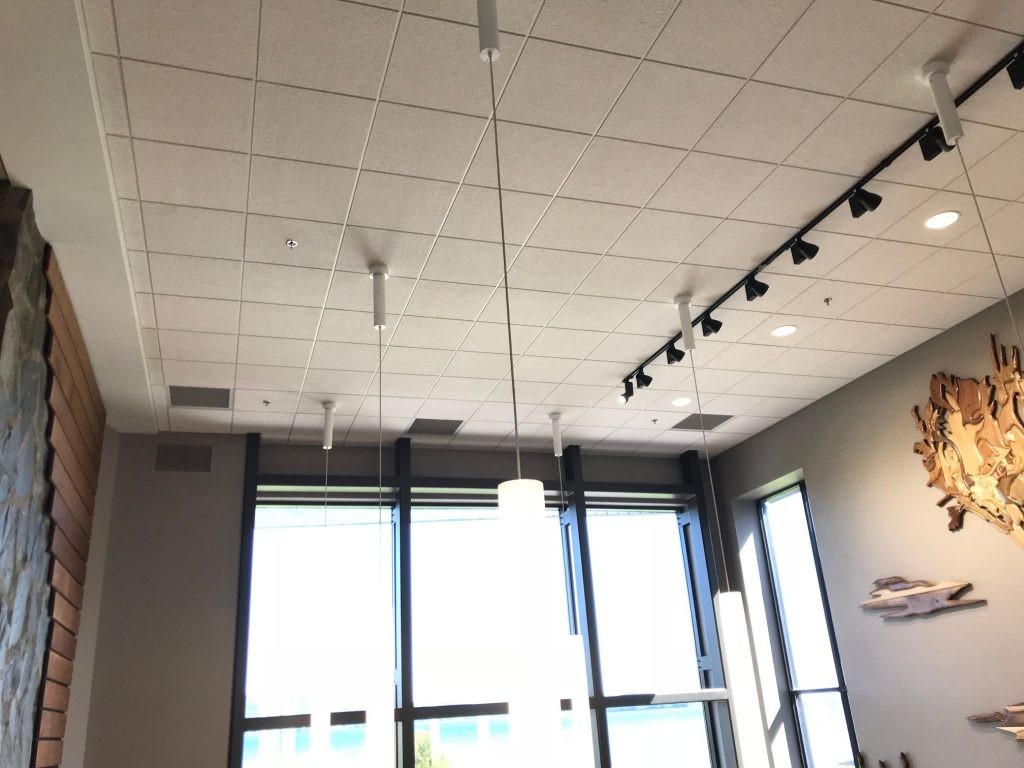
A commercial ceiling project can stall for reasons that have nothing to do with the installation crew. Material availability is often the real bottleneck. The wrong supplier relationship can turn a two-week project into a six-week wait. That happens no matter how skilled the installers are.
We work as a ceiling tile supplier in Duluth that contractors and building owners order directly from. Material sourcing happens under the same roof as installation planning. It is not a separate step. It does not introduce its own delays. That distinction matters more than most owners realize, until a project hits a supply snag.
Why Lead Time Varies So Much by Product
Standard Armstrong and USG tile typically ships fast. Often within a week. Specialty products take longer. Custom colors, metal finishes, or high-NRC panels can take a month or more. It depends on the manufacturer’s production schedule.
We flag lead time differences during the estimate. We do not wait until a client has already committed to a timeline the material can’t support.
What Commercial Acoustic Ceiling Panels in Duluth Projects Actually Need
Commercial acoustic ceiling panels in Duluth buildings order most often fall into a narrow range of standard specifications. That keeps typical projects moving quickly.
Some projects deviate from standard NRC ratings or grid types. That is where lead time planning becomes genuinely important. Knowing which category a project falls into early avoids a scheduling surprise midway through.
Supply Only, or Supply Plus Install
Some contractors want material delivered to a job site. Their own crew installs it. Others want the whole project handled, sourcing and installation together. We support both.
The choice affects who catches a sourcing problem before it becomes a delay. Contractors ordering material only should confirm lead times directly with us. Standard shipping timelines do not apply to every product line.
What Drives Cost and Timeline Beyond the Panel Itself
| Cost Factor | Standard Product | Specialty Product |
| Base material cost | Lower | Higher |
| Typical lead time | About one week | Several weeks or more |
| Availability | Reliable stock | Often made to order |
| Price stability | Consistent | Can shift with manufacturer scheduling |
Why We Source Rather Than Just Resell
Schaefer Acoustics maintains direct relationships with Armstrong, USG, and several specialty manufacturers. We do not route every order through a third-party distributor.
That direct relationship is often the difference between an accurate lead time and an optimistic guess. A guess that got passed along from somewhere further up the supply chain.
Plan the Material Before You Plan the Crew
A relationship with a ceiling tile supplier in Duluth shapes a project’s timeline as much as installation scheduling does. Confirm lead times early, especially for anything outside standard product lines.
That single step prevents a certain kind of delay. It has nothing to do with the installation crew’s skill. It has everything to do with a shipment nobody accounted for. Schaefer Acoustics treats sourcing as part of the plan, not an afterthought to it.
Frequently Asked Questions
How long does standard ceiling tile typically take to arrive?
Most standard Armstrong or USG tile ships within about a week. Specialty products, custom finishes, or high-performance panels often take considerably longer.
Can I order material without hiring your installation crew?
Yes. We supply material directly to contractors and building owners, with or without installation included.
Does lead time affect project cost?
Not usually the material cost itself. A longer lead time can affect overall project cost if it extends equipment rental, temporary signage, or other time-based expenses.
How early should I confirm material availability for a project?
As early as possible. Ideally during the estimate phase, especially for anything outside standard NRC ratings, colors, or grid types.
Do you source directly from manufacturers?
Yes. We maintain direct relationships with Armstrong, USG, and several specialty manufacturers rather than routing orders through a third-party distributor. That helps keep lead time estimates accurate.
